
Miami Real Estate: A Complete Guide for Buyers, Investors, and Relocation Clients
Miami real estate continues to be one of the most searched property markets in Florida. Buyers are drawn to the city for its international lifestyle, waterfront communities, business environment, luxury condominiums, rental demand, and long-term growth potential. Whether someone is looking for a primary residence, a second home, an investment property, or a luxury condo near the coast, Miami offers a wide range of opportunities.
The Miami market is not limited to one type of buyer. Some people search for modern high-rise condos close to Brickell and Downtown Miami, while others prefer residential neighborhoods, single-family homes, waterfront properties, or more affordable areas surrounding the city. For investors, Miami can offer strong appeal because of its population movement, international visibility, tourism, rental activity, and limited coastal land supply.
In this guide, we explain what makes Miami real estate attractive, which nearby markets buyers should compare, what property types are common, and how investors can approach the market more strategically.
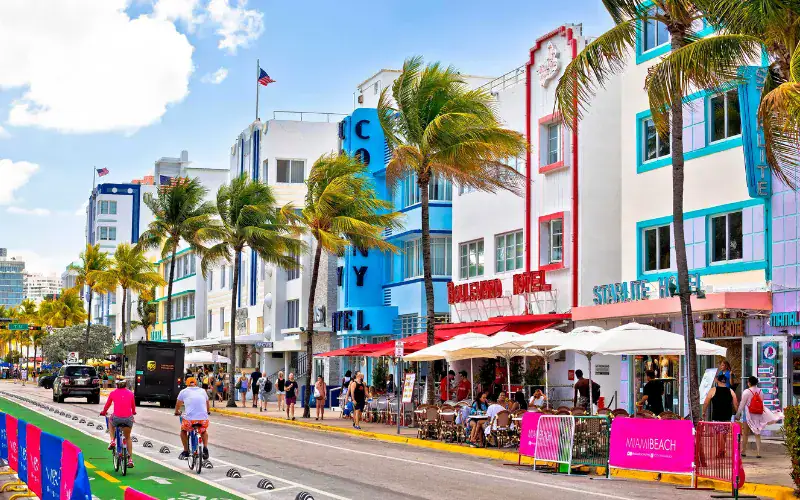
Why Miami Real Estate Attracts Buyers
Miami is one of Florida’s most recognizable real estate markets because it combines lifestyle, business, culture, and investment appeal in one region. The city attracts buyers from across the United States, Latin America, Europe, Canada, and other international markets. This global demand gives Miami a unique position compared with many other Florida cities.
Buyers often choose Miami because they want access to beaches, restaurants, entertainment, shopping, airports, business districts, and year-round warm weather. Investors may focus on rental demand, long-term appreciation potential, and the ability to own property in a globally known destination.
For buyers who are just starting their search, a good first step is to browse active Miami real estate listings and compare neighborhoods, price ranges, property types, and building styles.
Miami Condos, Homes, and Investment Properties
Miami offers many different property options. Condos are especially popular in areas close to Downtown Miami, Brickell, Edgewater, Midtown, Coconut Grove, and Miami Beach. These properties may appeal to buyers who want building amenities, security, views, walkability, and lower maintenance compared with single-family homes.
Single-family homes are also an important part of the Miami market. Buyers looking for more space, private outdoor areas, garages, pools, or family-friendly neighborhoods may prefer houses instead of condos. Depending on the area, homes can range from modest residential properties to luxury waterfront estates.
Investors often compare condos, houses, townhomes, and multi-unit opportunities based on budget, rental strategy, HOA rules, insurance costs, neighborhood demand, and long-term exit value. Before making a decision, it is helpful to review both Miami properties for sale and Miami rental listings to understand the relationship between purchase prices and rental demand.
Investor Tip: Miami is not one single market. A luxury condo buyer, a long-term rental investor, a relocation family, and a commercial buyer may all need different neighborhoods, property types, and price strategies.
Miami Beach: Lifestyle, Luxury, and Waterfront Demand
Miami Beach is one of the most important nearby markets for anyone researching Miami real estate. It is known for oceanfront condos, luxury residences, walkable neighborhoods, hotels, restaurants, nightlife, and direct beach access. Buyers who prioritize lifestyle often compare Miami Beach with mainland Miami before making a decision.
The Miami Beach market can be especially attractive for luxury buyers, second-home owners, and investors seeking premium location value. Waterfront buildings, ocean views, resort-style amenities, and strong international recognition make this area highly competitive.
Buyers can compare active Miami Beach real estate listings, review Miami Beach properties for sale, or study the Miami Beach real estate market report before deciding whether this market fits their goals.
North Miami: A Practical Market to Compare
North Miami can be a practical market for buyers who want access to the greater Miami area while comparing a wider range of price points. It may appeal to buyers who want residential neighborhoods, local services, access to major roads, and proximity to both Miami and coastal communities.
For investors, North Miami may be worth reviewing because it gives buyers another option outside the most expensive luxury zones. Depending on the property, buyers may find condos, single-family homes, and rental-friendly opportunities.
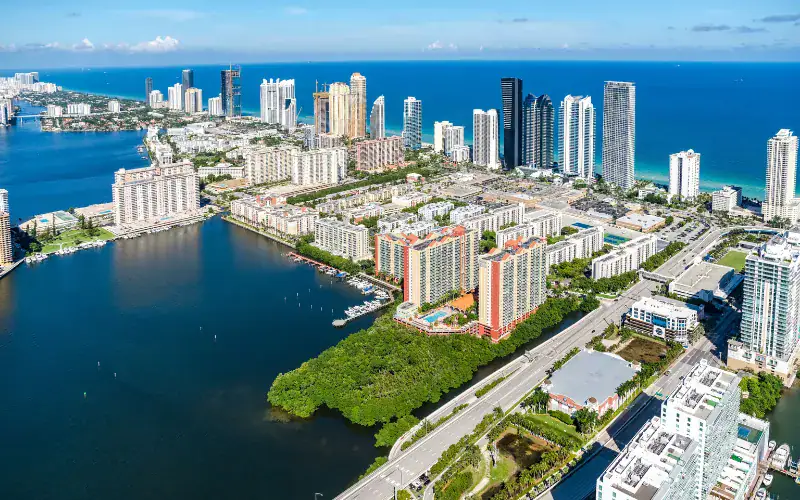
Explore available North Miami real estate listings, compare North Miami properties for sale, and review the North Miami market report to better understand this local market.
Miami Gardens: Residential Demand and Value-Oriented Opportunities
Miami Gardens is another important market for buyers who want to compare residential real estate in the greater Miami area. It may appeal to buyers looking for single-family homes, more space, and value-oriented opportunities compared with some coastal or luxury markets.
For investors, Miami Gardens may be considered when evaluating long-term rental demand, local housing needs, and affordability compared with more expensive parts of Miami-Dade County. As with any market, buyers should review property condition, neighborhood trends, insurance costs, comparable sales, and rental potential before making a decision.

Buyers can start by browsing Miami Gardens real estate listings, viewing Miami Gardens homes for sale, and reviewing the Miami Gardens real estate market report.
What Makes Miami Different from Other Florida Markets?
Miami is different from many other Florida cities because it has a global identity. It is not only a local housing market; it is also an international business, tourism, finance, culture, and lifestyle destination. This helps create demand from multiple buyer groups at the same time.
Compared with Orlando, Miami is more coastal and luxury-driven. Compared with Cape Coral or Port Charlotte, Miami usually has stronger international demand and higher density. Compared with Boca Raton or Weston, Miami offers a more urban lifestyle and broader condo inventory. This is why buyers should not look at Florida as one single market.
Investors should compare Miami with other Florida cities based on their goals. A buyer looking for luxury waterfront living may focus on Miami Beach, Bal Harbour, Sunny Isles Beach, or Key Biscayne. A buyer looking for rental income may compare Miami, North Miami, Miami Gardens, Fort Lauderdale, Orlando, or Cape Coral.
Important Factors Before Buying Miami Real Estate
1. Property Type
The first decision is whether the buyer wants a condo, house, townhouse, commercial property, or investment-focused asset. Each property type has different expenses, financing considerations, maintenance needs, insurance requirements, and resale potential.
2. HOA and Building Rules
Many Miami condos have HOA fees and building rules. Investors should carefully review rental restrictions, minimum lease periods, reserves, special assessments, building condition, amenities, and insurance structure. A property can look attractive at first, but the building rules may affect rental income or long-term ownership costs.
3. Insurance and Maintenance Costs
Insurance is an important part of buying real estate in Florida, especially in coastal areas. Buyers should review flood zones, wind coverage, building age, roof condition, elevation, and association insurance when comparing properties.
4. Rental Strategy
Some investors want annual rental income, while others may consider seasonal demand or second-home usage. Before buying, it is important to understand local rules, building restrictions, rental demand, expected expenses, and realistic income potential.
5. Long-Term Market Position
Miami’s long-term appeal comes from location, lifestyle, international demand, limited coastal supply, and continued interest from buyers moving to Florida. However, every property should still be evaluated individually based on condition, pricing, location, and future resale potential.
Popular Miami Area Markets to Compare
Using Market Reports Before Making a Decision
A smart Miami real estate search should include more than looking at photos and prices. Buyers should also review market activity, listing inventory, price ranges, days on market, and comparable property options. Market reports can help buyers understand how one city compares with another.
For Miami, buyers can review the Miami real estate market report. For nearby areas, it may also be useful to compare North Miami, North Miami Beach, and Miami Gardens.
How to Start Your Miami Property Search
The best way to start is to define your goal clearly. Are you buying a primary residence, a second home, a rental property, or a long-term investment? After that, compare neighborhoods, property types, price ranges, HOA costs, rental rules, and market reports.
Buyers who want a broad view can begin with the Florida map search to explore available properties visually. Those focused only on Miami can browse Miami homes and condos for sale. If rental demand is part of the strategy, reviewing Miami properties for rent can also help.
Miami can be a strong real estate market, but the best property depends on the buyer’s budget, financing, risk tolerance, lifestyle needs, and investment plan. A luxury condo in Miami Beach, a residential home in Miami Gardens, and an investment property in North Miami can all make sense for different buyers.
Looking for Miami Real Estate Opportunities?
Investor Florida helps buyers and investors compare Miami listings, nearby markets, rental opportunities, and market reports before making a real estate decision.
Explore Miami Real Estate